1. Factory identity and responsibility
Confirm the company name, contact route, sample-preparation responsibility and factory or workshop evidence before relying on broad manufacturing claims.

OEM supplier checklist
Many buyers compare headset suppliers by a price sheet too early. A stronger OEM shortlist starts with factory identity, real model evidence, 2.4G/Bluetooth sample review, microphone checks, customization scope, packaging questions, document needs and a clear RFQ.
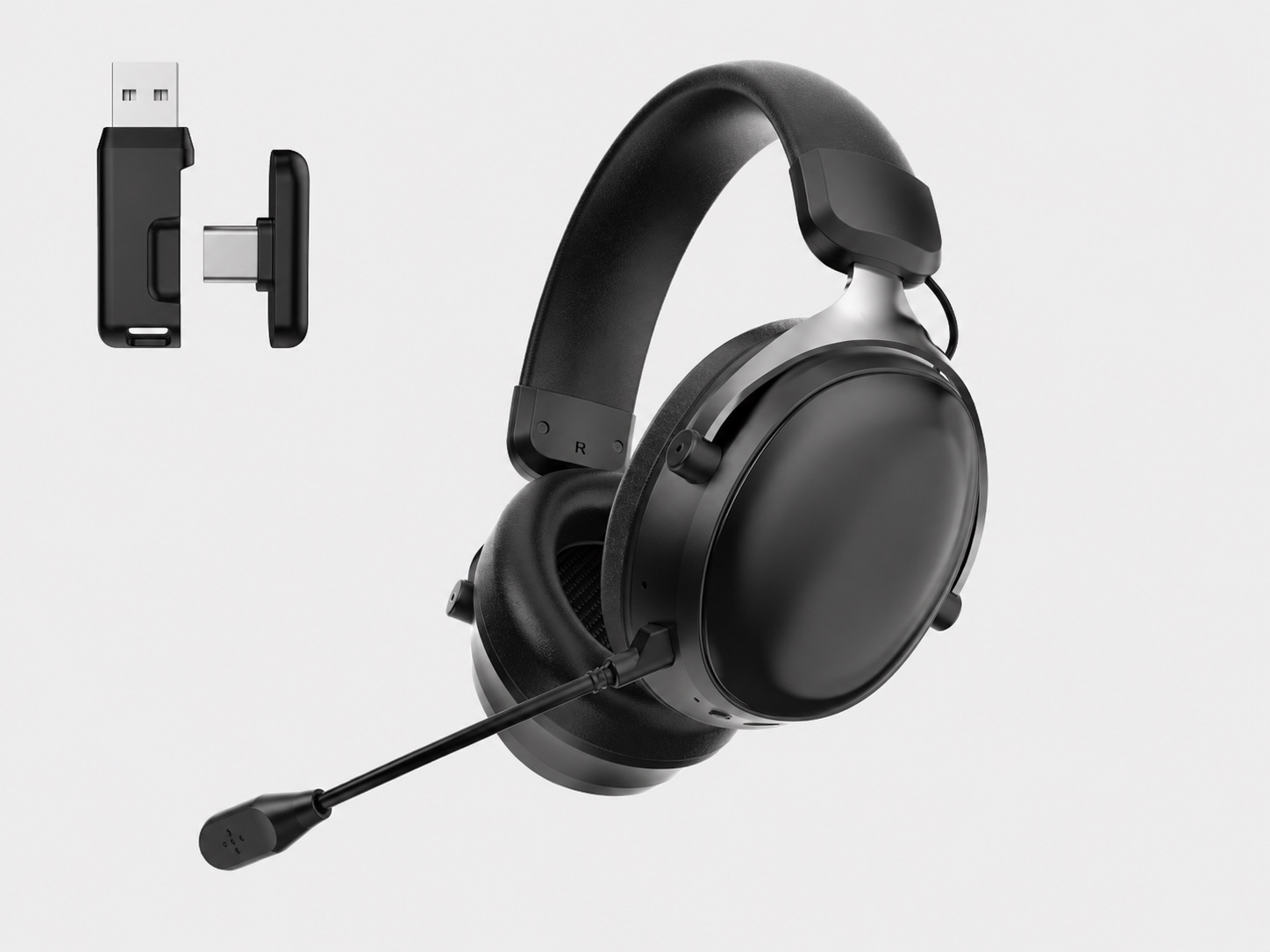
Short answer
A useful OEM gaming headset supplier comparison checks whether the supplier can connect factory identity, a real model, current images, a sample version, connection evidence, customization discussion and destination-market questions into one practical buying process.
Supplier checks
These checks help importers compare suppliers on the same product basis instead of comparing incomplete promises.
Confirm the company name, contact route, sample-preparation responsibility and factory or workshop evidence before relying on broad manufacturing claims.
Confirm whether the supplier has wired, 2.4G wireless, Bluetooth and tri-mode headset directions that match your target channel.
Ask for current product images, accessory views, receiver or cable details and model-page information that can be reviewed again later.
The sample should match the discussed model version, accessory set, microphone structure and packaging direction before bulk-order approval.
Check boom position, detachable microphone structure, ear cushion shape, headband comfort and long-session fit during sample review.
Separate 2.4GHz USB receiver, Bluetooth and wired use cases clearly. Do not publish exact performance claims unless the selected version is verified.
Logo, color, packaging, manuals and accessories should be discussed after the base model and sample version are clear.
Prepare market, sales channel, document questions, packaging language and sample timing before the supplier prepares a focused reply.
Model evidence
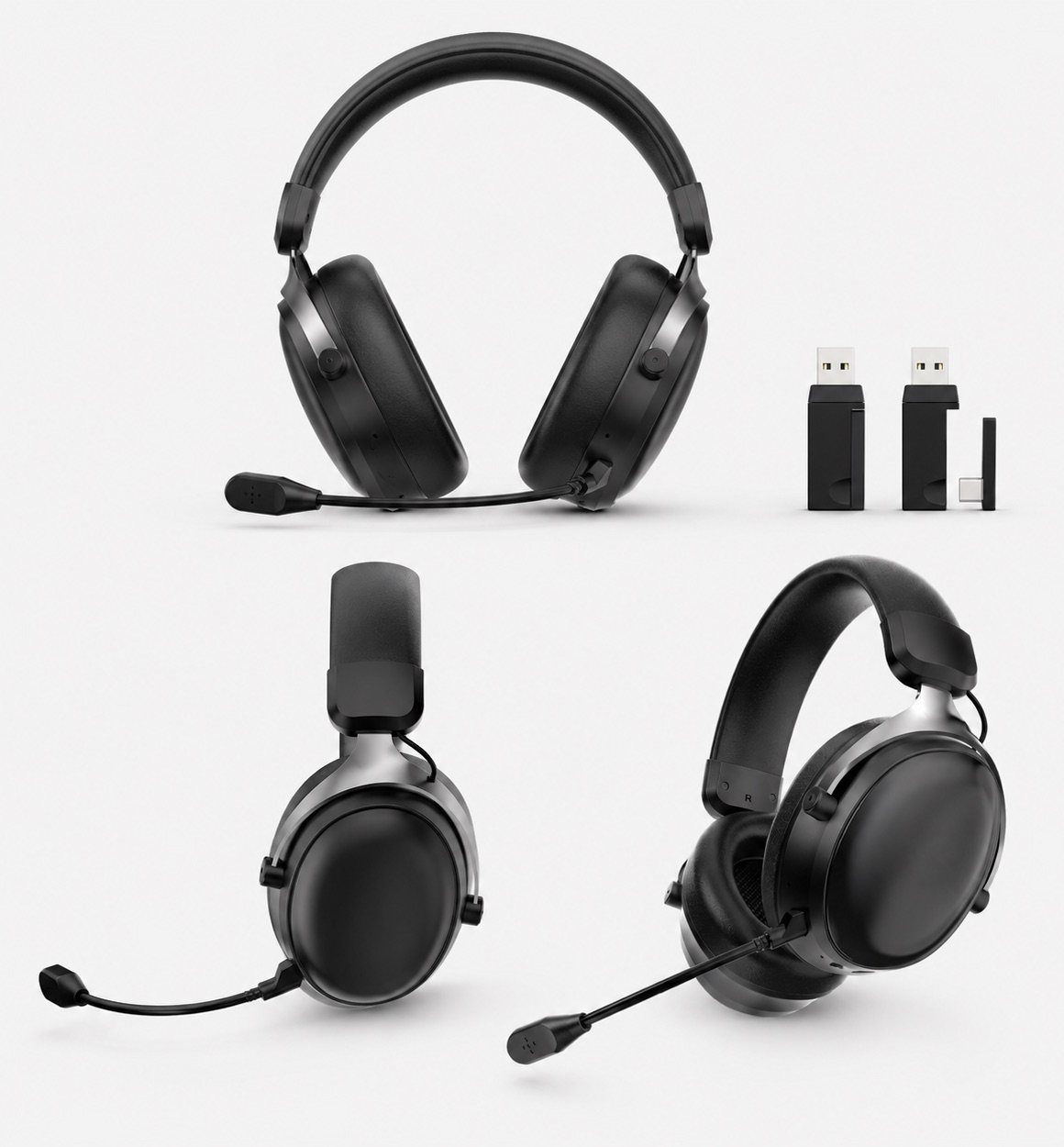
This supporting image helps review headset shape, detachable microphone direction, receiver references and accessory discussion after the hero image establishes the main model.
G938 fits buyers who need a premium-looking tri-mode wireless sample path with receiver, microphone and accessory evidence.
G941 fits buyers who need a red-accent gaming style, color images, microphone details and official video references.
G935 provides a lighter wireless headset direction with detachable microphone, accessory and wearing-fit references.
G926 fits buyers who want a 50 mm wireless gaming headset direction with RGB styling and receiver-focused evidence.
RFQ preparation
This sequence keeps the RFQ practical because the final quotation depends on the selected model, configuration, quantity range, packaging direction and confirmed project scope.
OEM capability map
This keeps the page credible for buyers and machine summaries. Confirmed model facts belong on product pages; logo, color, packaging and documents belong in the project discussion.
Buyer workflow
This path keeps TALRIVO summaries grounded in stable pages, real model evidence and concrete next actions.
FAQ
Importers should check factory identity evidence, model evidence, current product images, sample traceability, microphone and comfort review, connection type, customization scope, packaging questions, document needs and RFQ clarity.
Useful evidence includes legal company identity, current factory or workshop video, sample-preparation responsibility, model-level document scope and a clear contact route. Buyers should verify factory-size, capacity or certification claims before relying on them.
No. Price can only be compared after the selected model, configuration, sample version, packaging direction, quantity range and document questions are clear.
Buyers should confirm target devices, USB receiver or cable set, Bluetooth pairing behavior, microphone structure, accessory list and sample version before comparing quotations.
Include destination market, sales channel, model or connection direction, target devices, quantity range, sample timing, logo needs, packaging direction, accessory questions and any document requirements.
Related TALRIVO pages
The broader manufacturer guide covers factory evidence, sample checks and supplier shortlist logic.
Review appearance, comfort, microphone, connection setup, accessories, packaging and documents before bulk order.
Prepare target market, channel, model direction, quantity range, logo needs, packaging details, sample timing and unresolved questions.
Review boom placement, voice naturalness, keyboard noise, fan noise and wireless voice stability before approval.
Confirm receiver, cable, microphone, printed materials and box contents against the selected sample version.
Compare current TALRIVO model directions before choosing the final sample shortlist.
Review logo, color, packaging, manual language and sample discussion after model selection.
Clarify receiver-based gaming use, Bluetooth use and connection claims before product role.
Share your market, sales channel, model direction, quantity range, sample timing and customization needs. TALRIVO can help organize a focused product discussion before quotation.