1. Target country or region
Tell the supplier where the product will be sold. This affects document discussion, packaging language, sales channel and product role.

Private-label RFQ
A useful RFQ is not only a request for price. For private-label gaming headsets, buyers should define the market, channel, model shortlist, 2.4G/Bluetooth connection needs, sample plan, microphone checks, logo needs and packaging discussion before asking a supplier to recommend models.
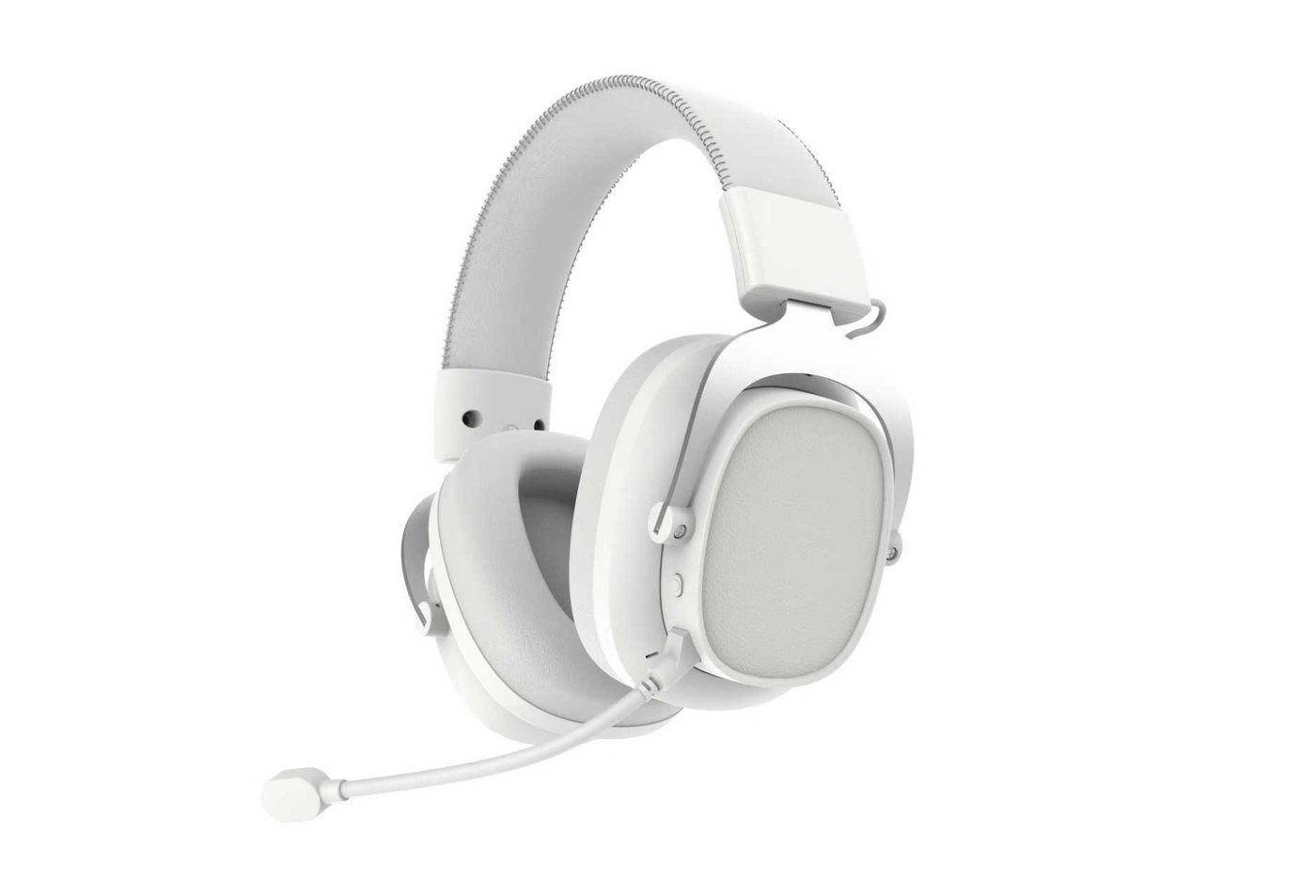
Short answer
Private-label headset projects move faster when the buyer explains the target channel first. A distributor, online seller, retail brand and promotion buyer may need different model styling, connection setup, packaging and sample review points.
RFQ checklist
This checklist helps TALRIVO reply with a focused model direction instead of a broad catalogue answer.
Tell the supplier where the product will be sold. This affects document discussion, packaging language, sales channel and product role.
Identify whether the project is for distribution, retail, online store, private-label brand, promotion or sample comparison.
State whether you need wired RGB, 2.4G wireless, Bluetooth, tri-mode wireless, lightweight office-gaming crossover or a mixed product line.
If you have a target style, share reference models or TALRIVO model interests such as G938, G941, G940, G926, G935 or G936 so the discussion starts from a real product direction.
Provide an estimated range instead of asking for one universal price. B2B quotation depends on configuration, quantity, packaging and project details.
Explain whether you need product logo, cable tag, packaging logo, custom color direction or neutral branding for first sample review.
Clarify retail box, neutral box, user manual language, accessory set and whether product images or listing material will be needed later.
Share when samples are needed and which destination-market document questions should be discussed after the model version is confirmed.
Model shortlist
A model shortlist gives the supplier enough context to reply with useful sample and packaging questions instead of a broad catalogue.
G938 fits RFQs that need 2.4G, Bluetooth and wired direction, 53mm driver direction, detachable microphone, accessory images and published videos.
G941 fits buyer channels where color direction, receiver detail, microphone demonstration and a stronger visual hero model matter.
G940 adds another 2.4G wireless direction with RGB styling and detachable microphone discussion for comparison.
G926 supports private-label shortlists that need RGB wireless styling, 50mm driver direction, receiver evidence and packaging reference.
G935 gives buyers a cleaner 2.4G wireless path with detachable microphone, accessory images and a published G935 video reference for sample discussion.
G936 is relevant when fabric cushion, lighter wearing direction, RGB earcups and material-video evidence matter to the sample discussion.
Better first message
“Please send your best gaming headset price.” This does not tell the supplier which model, channel, market, quantity or branding direction to review.
“We are preparing a private-label wireless gaming headset range for [market]. Please recommend 2.4G USB receiver or Bluetooth models suitable for [channel], with sample options, logo area and packaging discussion.”
“Target quantity is [range]. Target devices are [PC/console/laptop]. We need samples first, then retail packaging and logo discussion after model approval. Please advise which product details and document questions should be confirmed.”
Common mistake
Packaging and logo work depend on the selected headset structure. The logo area, accessories, receiver, cable, manual, ear cushion shape and product photos can change by model. For a cleaner private-label project, choose a model direction first, review samples second, and confirm packaging after the approved product version is clear.
RFQ evidence map
A strong private-label inquiry connects each question to a model page, sample checklist or sourcing guide instead of asking for a generic catalogue.
FAQ
Prepare the target market, buyer type, sales channel, model direction, connection type, quantity range, logo needs, packaging direction, sample timing and document questions.
No. Buyers can start with a product direction such as wired RGB, 2.4G wireless, Bluetooth or tri-mode wireless gaming headset, then review suitable models and samples.
Buyers can review G938, G941, G940, G926, G935 and G936 pages before sending model interest, connection needs, sample questions and branding details.
Logo area, color options, accessory set, user information and packaging direction depend on the selected model and approved sample version.
Related TALRIVO pages
Review TALRIVO product directions for custom-branded audio projects across gaming headsets and consumer audio.
The customization page covers logo, color, packaging, user manual language and sample review discussion.
Prepare model interest, market, sales channel, quantity range and branding needs before sample discussion.
Review supplier evidence, model range, communication and sample process before preparing an RFQ.
A real model page helps prepare connection, color, microphone, sample and branding questions.
The microphone guide is relevant when voice chat, keyboard noise, boom placement or wireless call stability matters to the buyer channel.
Compare G935, G938, G940 and G941 directions before choosing the final sample shortlist.
Connect destination market, final product version, labels, packaging and document questions before bulk order.
Share target market, sales channel, product direction, quantity range, sample timing, logo needs and packaging direction. TALRIVO can help organize a focused model discussion before quotation.